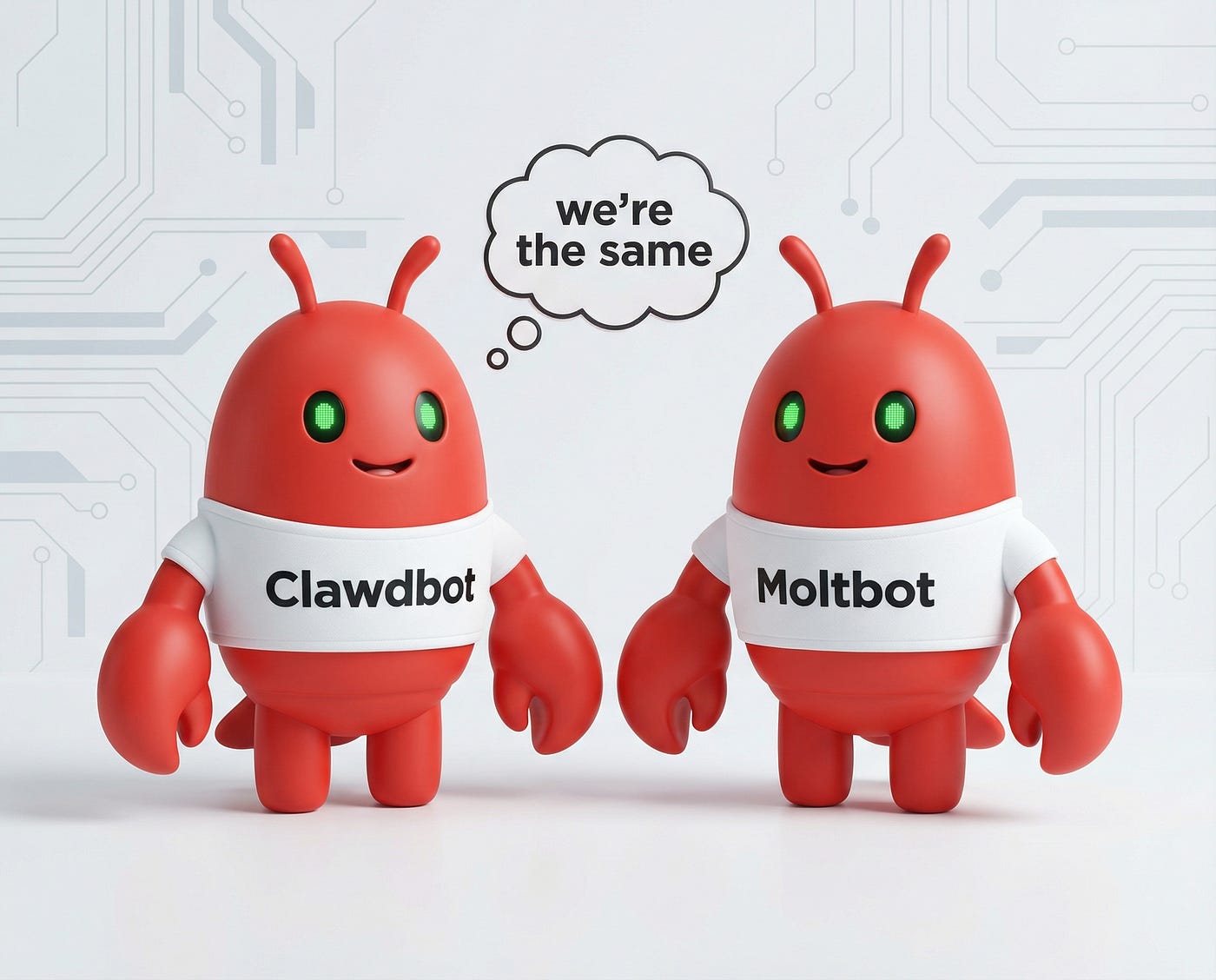
Moltbot (Formerly Clawdbot): A Cybersecurity Expert’s Perspective on Benefits and Risks
Introduction
In the fast-evolving era of AI-driven personal assistants, Moltbot (formerly known as Clawdbot) has emerged as a viral, agentic AI assistant that operates directly on users' devices. While its capabilities to autonomously observe, decide, and act within personal workflows make it truly revolutionary, it also brings a new class of cybersecurity concerns. From security POV, this article presents a researched-based, in-depth examination of Moltbot, its associated security risks, and actionable best practices to safely harness its capabilities.
What Is Moltbot?
Moltbot is an agentic AI system designed to work locally on devices such as Macs or PCs, assisting users through continuous, autonomous decision-making within their workflows. Unlike traditional AI tools that simply respond to user prompts, Moltbot acts on behalf of the user with capabilities including managing emails, workflow automation, data retrieval, and even taking independent actions based on observed data and user context.
This local-first paradigm is a significant evolution from cloud-hosted AI models. By processing data on-device rather than transmitting it over the internet, Moltbot offers potential advantages in privacy and latency. However, this benefit comes with security complexities that must be thoughtfully addressed.
Security Risks Associated with Moltbot
Despite its innovative approach, several critical security risks are inherent in Moltbot’s architecture and operational design. Understanding these risks is essential for users and cybersecurity professionals alike:
1. Lack of Encryption at Rest and Containerization
Moltbot currently lacks encryption-at-rest and containerization, meaning data stored locally by the agent is vulnerable if the device is compromised. Without strong encryption, sensitive data processed by Moltbot can be accessed by malware or other malicious actors who gain access to the device.
2. Prompt Injection Vulnerabilities
Agentic AI systems like Moltbot are vulnerable to prompt injection attacks, where malicious input manipulates the AI’s behavior in unintended ways. Unlike traditional AI, when these agents control workflows and actions, injected prompts can cause unauthorized operations, data leakage, or even compromise the entire system.
3. Continuous Access Risks
Moltbot’s always-on functionality means it has ongoing access to personal data streams and system resources. This creates a larger attack surface compared to traditional applications, especially if the agent’s permissions are excessive or not carefully controlled.
4. Operational Complexity and Familiarity Dependency
Effective use of Moltbot correlates closely with operational familiarity. Users unfamiliar with the agent’s capabilities and security settings risk overprivileging the AI or exposing sensitive data inadvertently.
From a Security Expert’s Point of View
Experts emphasize a balanced approach to the adoption of novel AI technologies like Moltbot. The agentic AI revolution holds tremendous promise, but the current technological and operational security gaps present significant risks if left unmitigated.
Key recommendations include:
- Comprehensive threat modeling: Understand the unique attack vectors posed by agentic AI, especially prompt injection and device-local threat persistence.
- Continuous monitoring: Deploy tools capable of detecting anomalous agent behavior that may indicate compromise or exploitation.
- Policy development: Define clear operational and security policies for agent permissions and capabilities aligned with organizational risk tolerance.
Best Practices for Using Moltbot Safely
If you decide to experiment with or adopt Moltbot, it is crucial to implement safety practices to minimize security risks. Below are some expert-recommended approaches:
1. Isolation First
Run Moltbot in isolated environments such as sandboxed virtual machines or containers where possible. This limits the scope of damage in case of agent compromise.
2. Strict Access Controls
Restrict Moltbot’s permissions to just the necessary resources and data. Avoid granting blanket access to entire email accounts, file systems, or network resources.
3. Start Small
Begin with limited, low-risk tasks and workflows. Gradually increase Moltbot’s responsibilities as your confidence in its security posture grows.
4. Regular Updates and Patching
Keep Moltbot and all related software updated with the latest security patches. Monitor the project’s repository and community for security advisories.
5. Encrypt Sensitive Data
Where feasible, implement additional encryption layers for Moltbot’s data storage to guard against unauthorized local access.
6. User Education and Awareness
Ensure end-users understand the risks associated with agentic AI, the signs of suspicious behavior, and protocols for reporting potential incidents.
7. Monitor for Prompt Injection Attempts
Be vigilant for unexpected AI actions or outputs that may suggest prompt injection interference. Employ tools and manual reviews to detect anomalies.
Conclusion
Moltbot exemplifies the exciting frontier of agentic AI assistants that can transform personal productivity by autonomously managing complex workflows. However, it also surfaces new cybersecurity challenges that are still being explored and addressed by the community and security experts.
From the vantage point of cybersecurity expertise, cautious, informed adoption combined with best practice security measures is essential. By isolating agents, restricting permissions, encrypting data, and maintaining vigilance against emerging AI-specific threats like prompt injection, users can enjoy Moltbot’s benefits while minimizing risk. As agentic AI continues to mature, ongoing research, collaboration, and robust security frameworks will be crucial to enabling safe, productive AI-assisted futures.
Author: PHIXLAB AI Cyber Security Writer